|
Getting your Trinity Audio player ready...
|
Summary: For Uterine Fibroids Awareness Month, this article discusses the persistent normalisation of dismissing period pain as normal. It educates women and girls on how to gain full literacy of their bodies.
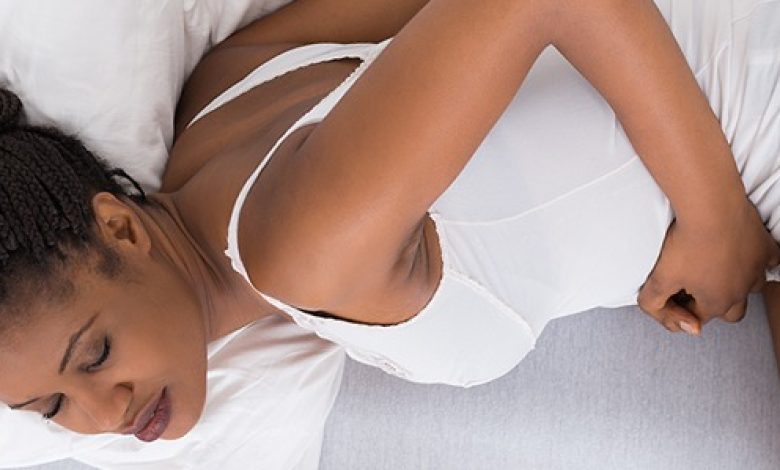
For generations, women and girls have been told to endure pain and not make a fuss about their periods. This attitude made many accept abnormalities in their menstrual health, without fully understanding their body.
As a consequence, girls carry more than books in their backpacks; they worry about pads, unsure if they will last them through the school day. Women navigate severe pelvic pain and excess bleeding for years while being told the experience is normal.


According to the Fibroid Foundation, 1 in 5 students have missed school due to their period, and 1 in 3 women experience heavy menstrual bleeding. These data highlight an understated issue: menstrual health is a public health issue.
The month of July is globally recognised as Uterine Fibroid Awareness Month, an overlooked disease that has resulted in the normalisation and dismissal of women’s pelvic pain or excess bleeding as inevitable parts of the menstrual cycle.
Uterine fibroids, also known as leiomyomas, are non-cancerous tumours of varying sizes and amounts that grow in and around the uterus. The tumour can grow alone or in clusters, and it ranges from small to large, enough to change the shape of the uterus.
Studies showed that this condition is influenced by hormones involved in the menstrual cycle and pregnancy. Though the tumour is not life-threatening or cancerous, it has a major effect on daily life. Its symptoms include: pelvic pain, heavy bleeding, bloating, constipation, pain during sex, frequent urination, inability to pee or completely empty your bladder, and Long-term (chronic) vaginal discharge.
The US Department of Health and Human Services (HHS) stated that 20% to 80% of women develop fibroids by age 50. Black women are disproportionately affected, often developing fibroids earlier and with more severe symptoms. While the overall causes of this condition remain unknown, the factors most associated with it are hormonal and hereditary.
The global theme for this year’s Uterine Fibroid Awareness month is “What’s Been Normalised Isn’t Normal” —- this is a direct, unapologetic counterattack against the cultural normalisation of women’s pain, which has led to medical minimisation.
At the centre of this movement is the urgent need to address uterine fibroids as a medical urgency to aggressively dismantle myths, break the generational silence, and equip women and girls with the precise knowledge required to own their bodily autonomy.
Separating the Truth from Myths — A Direct Counterattack to Normalising the Abnormalities
To break the cycle of normalisation and ultimately champion justice for women’s health, we must systematically dismantle the core myths that cloud the reality of uterine fibroids. These myths often cause unnecessary panic, leading to resignation to chronic pain.
Myth 1: Fibroids are a disease of older women
Truth: A major societal and cultural factor that causes many women and girls to endure heavy bleeding and severe pain for years is the false belief that uterine fibroids are an older woman’s disease. Hence, pelvic checks and fibroid conversations are only normalised and reserved for women in their late 30s, 40s, or 50s.
Consequently, younger women who are affected delay seeing a doctor until later in life when the pain becomes unmanageable.
Uterine Fibroid is a common medical condition that can appear at any age of a woman’s life, but it’s more likely to appear in the advanced reproductive years. It’s very rare for fibroids to develop after menopause, because the reproductive hormones estrogen and progesterone stop functioning, making the ovaries inactive and causing existing fibroids to shrink, drastically reducing any chance of fibroid-related disease.
Myth 2: Fibroids mean infertility
Truth: Having fibroids does not automatically mean infertility. Although they can sometimes affect conception, most women with fibroids are able to get pregnant and have healthy pregnancies. Moreover, the only time fibroids can affect fertility is if they are very large or change the shape of the uterine cavity.
So if a fibroid grows during pregnancy or changes the shape of the cervix, it can increase the risk of complications like preterm birth, placental abruption, and breech positioning. Compared to women without fibroids, pregnant women with fibroids are six times more likely to require a Cesarean (c-section) delivery. But the issue of the tumour causing infertility depends on the size and location of the growth.
Myth 3: Fibroids require a hysterectomy
Truth: In the past, hysterectomy was viewed as the only curative treatment for women with reproductive issues. This misconception is further perpetuated due to outdated clinical practices, medical misogyny, underfunding and research of women’s reproductive health issues, lack of patient awareness regarding alternatives, and the practice of mistaking benign tumours with cancerous growths that would mandate organ removal.
In fact, research highlighted by Viva Eve suggests that up to 20% of hysterectomies performed for non-cancerous conditions are entirely unnecessary. Hence, health conditions like uterine fibroids do not require hysterectomy because it’s noncancerous tumour growth and can be managed with medication.
Myth 4: Every woman with heavy periods or painful periods has fibroids:
Truth: The most common problem caused by fibroids is heavy periods, or pelvic period. However, there are other gynaecological conditions like adenomyosis or endometriosis that also have the same symptoms. So, believing that painful or heavy periods automatically mean fibroids is a dysfunctional illusion. The best way to verify this claim is to see a doctor and get a scan done, which will help to confirm what the exact issue is.
Myth 5: “Severe pain and heavy bleeding are just part of being a woman.
Truth: The foundation of the myths surrounding reproductive health lies in the normalised belief that severe pain during menstruation is part of womanhood. This belief has disrupted women and girls’ daily activities and greatly impacted their lives.
Therefore, accepting the abnormality of severe pain and heavy bleeding as inevitable parts of womanhood is a problem. These symptoms are aggressive signs of uterine fibroids distorting the uterine cavity. Accepting this pain as a natural feminine tax keeps women suffering in silence and delays vital early interventions.
Equipping Women and Girls to Gain body literacy and autonomy
To truly utilise this year’s Uterine Fibroid Awareness month theme, women and girls must shift from passive endurance to active bodily literacy. To achieve comprehensive menstrual dignity, they must understand, track, and advocate for their health. Below are practical ways to gain body literacy
- Track Your Menstrual Cycle. This task extends the normal tracking of the menstrual cycle; it should include the exact characteristics of your flow, and note how many pads or tampons you used daily. Document the presence, size, and frequency of blood clots. Track the level of your period or menstrual pain, sudden bloating (often called the “fibroid belly”), frequent urination, or unexplained exhaustion.
- Understand Your Risk Factors: Empower yourself with knowledge about heredity; know if any members of your family have fibroids. Be diligent with your diet; know the food to avoid.
- Undergo a routine gynaecological medical check-up.
- Maintain a healthy weight and manage stress.
- Knowledge is the best defence against medical dismissal. Hence, when consulting your doctor, do not settle for a vague diagnosis. Request a comprehensive pelvic map via ultrasound or MRI and ask where you’re confused and exercise your right to seek a second opinion.