|
Getting your Trinity Audio player ready...
|
Summary: Framing women as naturally averse to work undermines their competence, justifies economic exclusion, and erases the labour they already perform. These stereotypes create a double bind, limiting opportunities and shaping outcomes in ways that disadvantage women socially and economically.
The rhetoric that “women deep down don’t want to work” is not a harmless opinion. It has real social consequences. First, it undermines women’s competence. When women are framed as naturally work-averse, their ambition is treated as artificial, temporary, or opportunistic. This feeds bias in hiring, promotion, and leadership decisions.
Second, it justifies economic exclusion. If women are presumed to lack drive, unequal pay, fewer opportunities, and workplace discrimination can be rationalised as “natural outcomes” rather than structural problems.
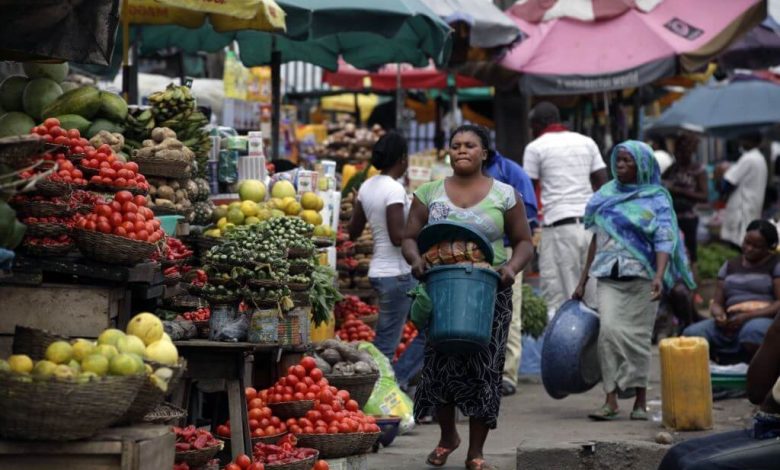
Third, it erases the labour women already perform. Paid work, unpaid domestic work, caregiving, and informal trade. When that effort is dismissed as reluctance, it devalues contributions that sustain families and economies.


Fourth, it narrows identity. It pressures women to prove their seriousness through overwork while simultaneously criticising them for their career focus. The result is a double bind. Stereotypes are not just words; they shape expectations, and expectations shape opportunities, which in turn shape outcomes. That is the harm.
Editor Note: This Piece was first published on X(formerly Twitter)