General Elections 2027: Former Ogun State House of Assembly Candidate Janet Olaolu Shares Strategies on Civic Engagement
|
Getting your Trinity Audio player ready...
|
Summary: Former Ogun State House of Assembly candidate Janet Olaolu shares insights on youth empowerment, women’s political participation, and strategies for strengthening civic engagement ahead of Nigeria’s 2027 general elections.
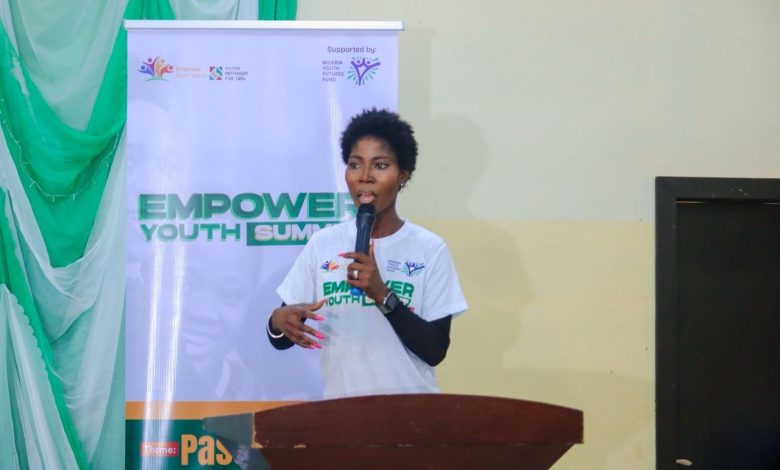
With a passion for youth leadership and community development, Janet Olaolu is a dynamic development practitioner, civic leader, and advocate for youth empowerment, with a proven track record of driving social impact across Nigeria. She convenes the Empower Youth Summit, a platform uniting young leaders, policymakers, and community influencers to advance youth-led solutions, leadership, and peacebuilding. Through this platform, Janet has created opportunities for mentorship, policy dialogues, and collaborative action, enabling young people to engage actively in civic and political processes.
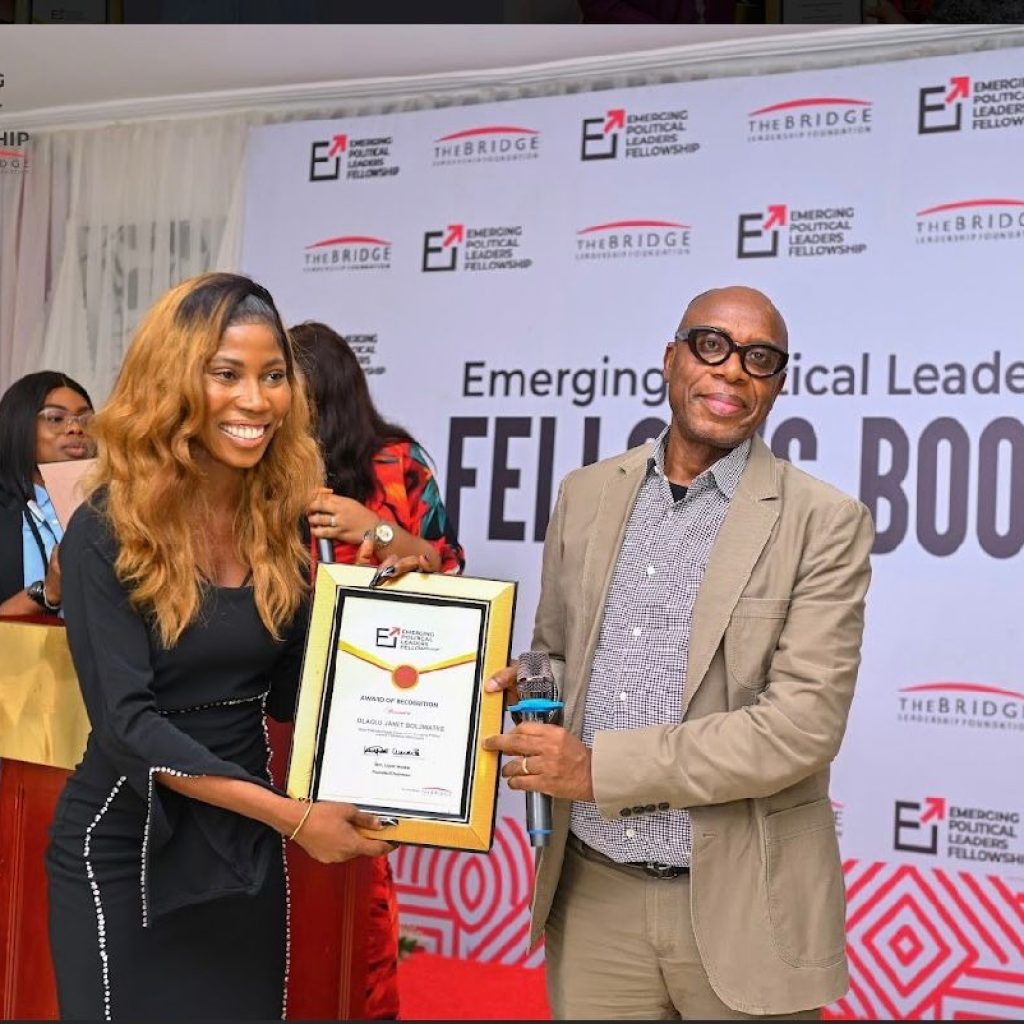
Janet also brings valuable political experience, having previously contested as a candidate for the Ogun State House of Assembly, an experience that strengthened her commitment to participatory governance, grassroots engagement, and policy solutions that reflect the needs of women, youth, and marginalised communities.
In an interview with Naija Feminists Media, Janet Olaolu shared insights on youth empowerment, women’s participation in politics, and strategies for cultivating active civic engagement ahead of the 2027 Nigerian general elections. The Independent National Electoral Commission (INEC) has scheduled Nigeria’s 2027 general elections, with the Presidential and National Assembly polls on January 16, 2027, and the Governorship and State Assembly elections on February 6, 2027.
Empowering Youth Through Action – Janel Olaolu
- As Convener of the Empower Youth Summit, what strategies have you found most effective in empowering young people to take active roles in leadership and decision-making?
One of the most effective strategies has been moving young people from conversation to action. This is done through practical civic education through the Empower Youth Summit and the Community Champion Challenge, where my team and I support young people in running community projects, attending political meetings, and submitting policies.
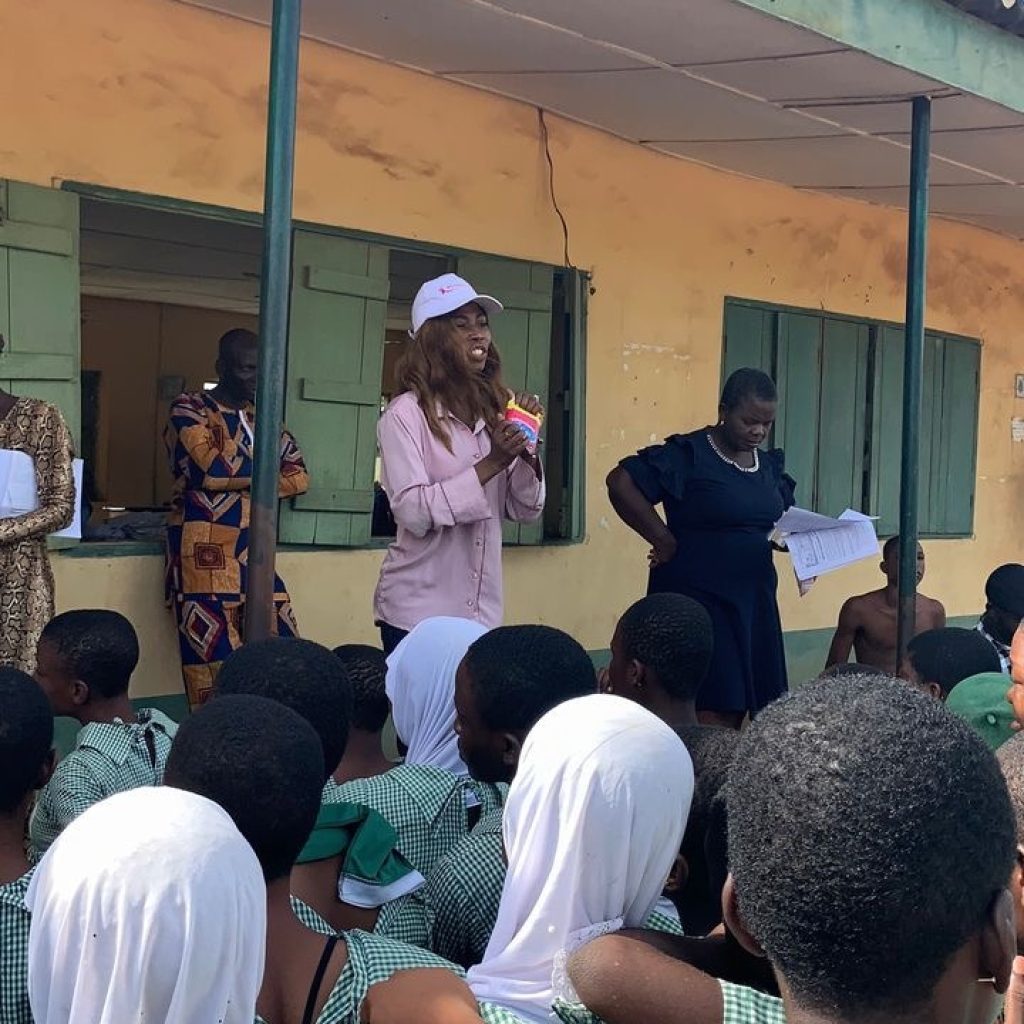
We believe that when youth solve problems locally, they gain confidence to engage nationally. We also pair young/emerging leaders with experienced professionals to guide them through public service pathways.
- How did your experience as a candidate for the Ogun State House of Assembly shape your understanding of women’s participation in governance and youth engagement in politics?
The truth is, women are not taken seriously in politics, the same as young people. They see women and youth as vessels or weapons to use in political campaigns, and they believe we are best at that. So for any woman to be taken seriously, even by voters, she has to do three times what her male counterpart is doing. Imagine my state, Ogun State, does not have a ministry of youth, yet we have many youth associations like Sagamu Youth Association, Remo Youth Association, and many others.
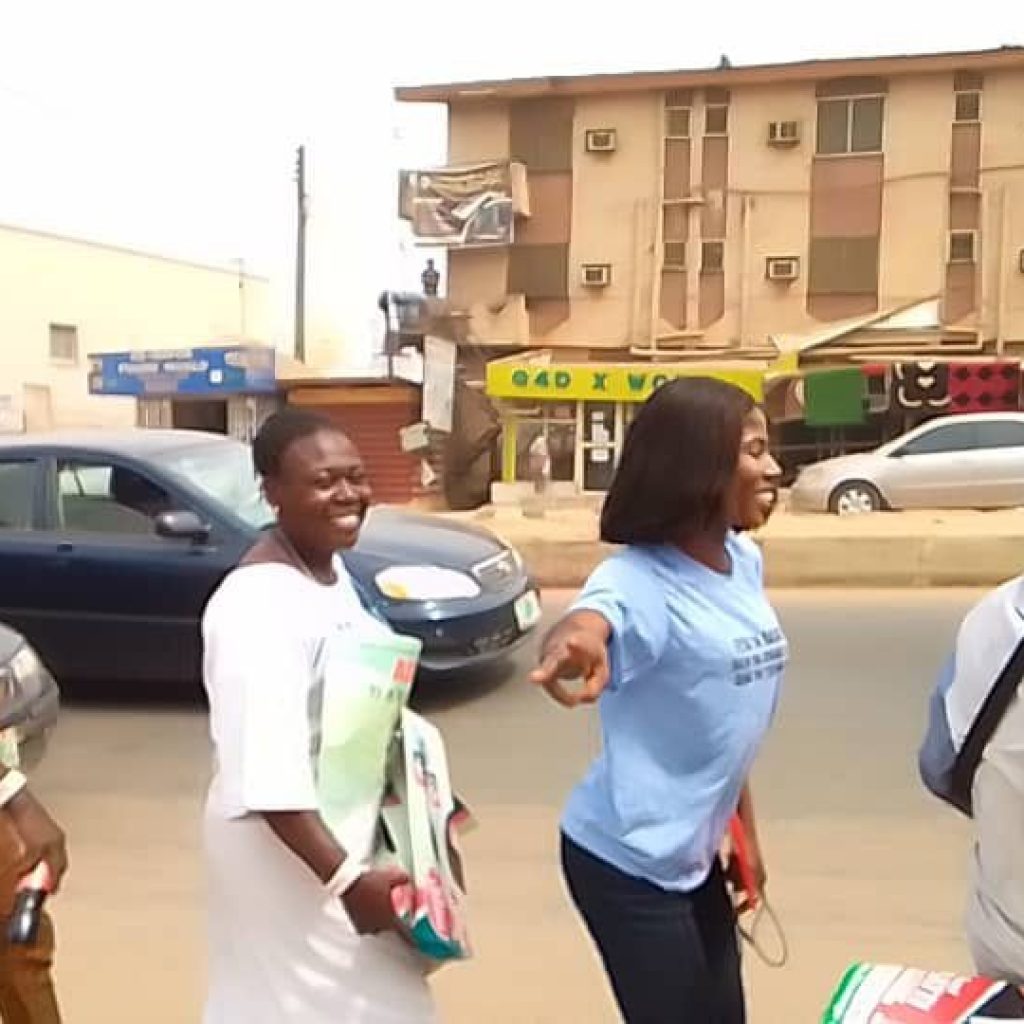
They will only be engaged when the time for the campaign is near. I think we need to change this even at the grassroots level. We are thankful for the Reserved Seat Bill and hope it is passed before the 2027 election. This bill has pushed many political parties to have no choice but to allow a woman to win her primary fairly, not telling her to go rest, that she will be compensated with a political appointment
- How can the Independent National Electoral Commission (INEC) ensure active participation of women beyond voting?
In my view, there’s not much INEC can do at this stage, given its role in the electoral process; the main responsibility lies with the political parties, from the ward level to the national level. But I can say that INEC should simplify candidate nomination processes and provide clearer guidance for first-time aspirants. In my case, during the 2023 election, my name wasn’t uploaded to the INEC portal until a few days before the election, which slowed my campaign at one point.

A friend who ran in the North told me that they said she no longer “belongs” there because she is now married. In her husband’s state, they said she cannot just decide to lead the people. This shows that for married women, INEC needs to provide more guidance and sensitisation on the appropriate place to contest if they did not marry within their state.
- As the Ogun State Ambassador for the Association of Female Comrades Ogun State Chapter, what plans do you have for the upcoming election?
Our focus is on preparing young women early rather than mobilising late. Our plans include Leadership Readiness Workshops for women interested in contesting or managing campaigns.
We started this last month, and we have already held two webinars to equip young women, especially female comrades who have held one or more posts in their various institutions across Ogun state, on how to step up and serve as election observers in this upcoming election. This will help them to have a firsthand experience of the election outside the school gate.
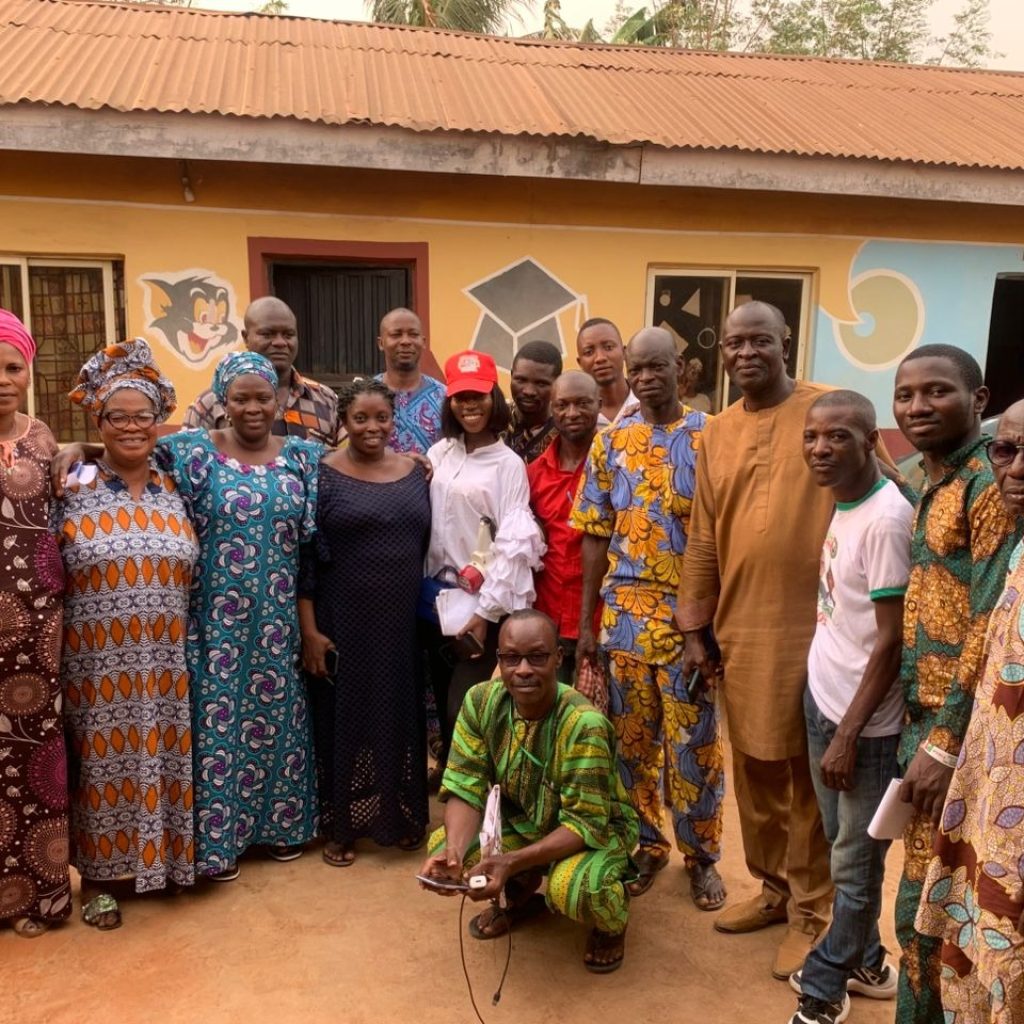
Another plan is Campus-to-Community Engagement. We have started building a pipeline of politically conscious young women transitioning from student leadership to public leadership. We match them with mentors who align with their areas of expertise, and more than 5 of them have already started projects.
We started the voter education drive recently, too. Some of these women serve as ambassadors in their schools and educate first-time voters on how to use the CVR platform.
- What advice can you give young leaders just starting to navigate civic engagement and leadership opportunities?
My advice is that they should start where they are, build competence before visibility, and be open to partnerships.