Beyond the “Good Girl” Myth In Nana Darkoa Sekyiamah’s The Sex Lives of African Women
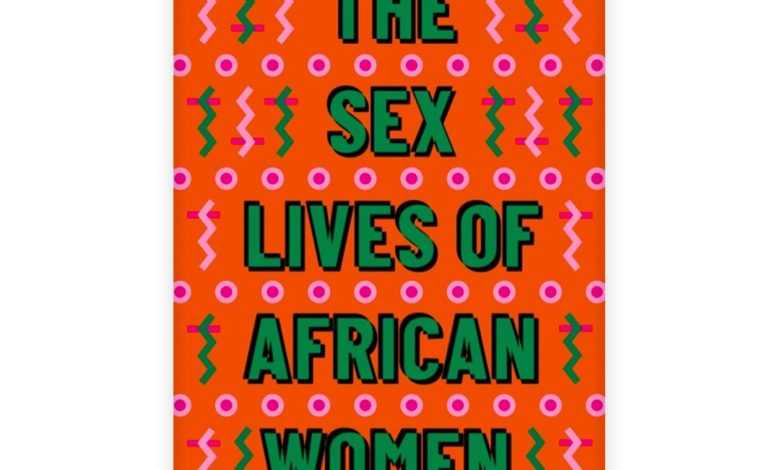
Summary: In Nana Darkoa Sekyiamah’s novel; “The Sex Lives of African Women”, the silence around women’s sexual desire is broken and the thread that tied them to the patriarchal “Good girl” narrative is dismantled by the unashamed open discussions of sex by 30 African women that the author interviewed.
In African society, sex is a silent subject that only becomes legitimate within the marriage structure. Even at that, women are treated as tools meant to satisfy men’s sexual desires. To them, marriage is a duty that strips away their agency, reducing them to objects meant to serve, but never to seek.
In Nana Darkoa Sekyiamah’s The Sex Lives of African Women, this silence is finally broken as the book dismantles the myth that an African woman’s pleasure is secondary to her social obligations. The author reclaim sex as a journey of self-discovery for women rather than a performance of duty.
The Sex Lives of African Women is a non-fiction anthology that comprises a collection of deeply personal interviews and essays where African women discuss their journeys toward sexual self-discovery. It moves away from the silence of African women being sex tools to presenting them as active agents of their own desire. In the novel, readers meet women who were raised in the restrictive “good girl cultures” shaped by strict religious dogmas and colonial-era morality to being suffocated by the expectations of marriage and motherhood. Divided into three sections: Self-Discovery, Freedom, and Healing. Each section shows how women move away from being “sex objects” for their husbands or partners and to becoming the protagonists of their own pleasure.

Presenting reclamation of agency as a major theme, Sekyiamah argues that when an African woman chooses how, when, and with whom she shares her body, she is performing a radical political act, one that enables her to reclaim her agency. The author also explores the patriarchal structure of using the “Good Girl” narrative to control women through shame. Many of the women in the anthology discussed unlearning this act, embracing their desires without apology. They rejected the notion to be submissive, proving that a woman can be African and autonomous at the same time.
Financial Independence is an often recurring theme in feminism; the women highlight how financial independence allowed them to leave unsatisfying or abusive marriages where they were treated as objects. They secured their own livelihoods, and stripped the patriarchal structure of the perceived leverage of the provider role, enabling them to make sexual choices based on desire rather than survival.
Ultimately, Sekyiamah’s act of documentation is a structural challenge. Where women share stories of queer identity, polyamory, or sexual trauma. They break the patriarchal isolation that relies on women’s complaints to the collective voices that shifts power from the monitors of morality back to the individual woman. This reclamation turns the body into a private territory governed by the woman herself, rather than a public territory governed by men and tradition.