|
Getting your Trinity Audio player ready...
|
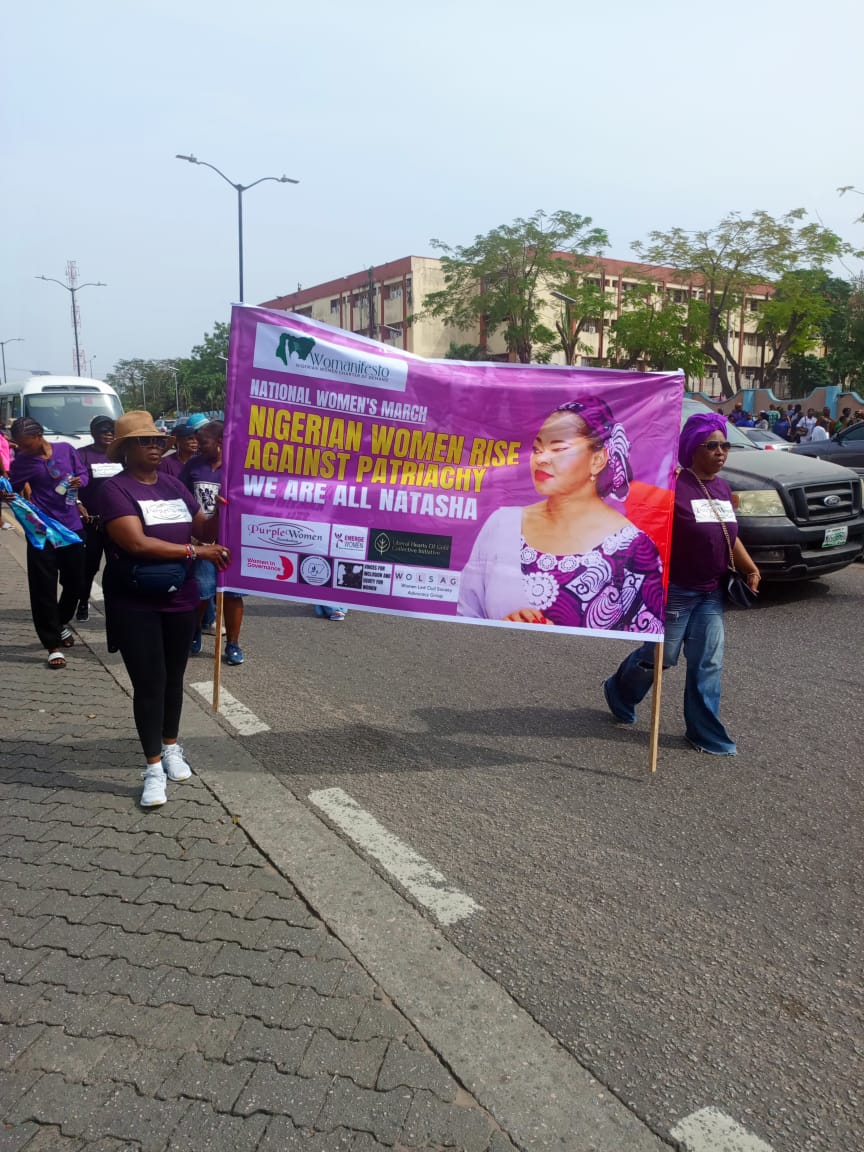
Following the unlawful suspension of Senator Natasha Akpoti-Uduaghan, protests have erupted across Nigeria as feminists and activists demand justice for Senator Natasha. The demonstrations, which began on Mar. 9, 2025, and are set to continue until Mar. 14, 2025, are taking place in multiple states, including Lagos, Bayelsa, Delta, Rivers, Edo, Abia, the Federal Capital Territory (FCT) Abuja, Kogi, Oyo, and Ogun.
Beyond Nigeria, the movement has gained international traction. A solidarity march was held in Oslo, Norway, where diaspora Nigerians and foreign allies rallied in support of Natasha, condemning what they see as an attack on women’s political participation. The hashtag “#IStandWithSenatorNatasha” is trending on X (formerly Twitter), amplifying the demand for justice and drawing global attention to the case.
The protests come in response to Natasha’s suspension from the Senate after she submitted a petition stating that Senate President Godswill Akpabio had sexually harassed her, amongst other forms of misconduct.
In addition to the protests, the International Federation of Women Lawyers (FIDA) is reportedly set to intervene, pledging to pursue legal avenues to ensure Natasha receives justice. Human rights organisations and legal experts have also raised concerns over the broader implications of her suspension for Nigeria’s democracy and the representation of women in politics.


With mounting pressure from national and international voices, the controversy surrounding Natasha’s suspension continues escalating. Calls for transparency, accountability, and gender inclusion in Nigeria’s political space are growing louder, as the protests and online activism show no signs of slowing down.