|
Getting your Trinity Audio player ready...
|
More Nigerian women are facing threats, legal action and even arrest for simply speaking up. This includes women sharing their views as consumers, business owners or mothers. These may seem like separate cases but they show a clear pattern. Women who question things are met with intimidation instead of conversation and change.
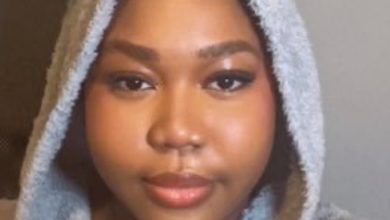
Recently, a young mother raised an alarm after receiving threats following a video she posted online. In the now-deleted clip, she questioned the appropriateness of a passage in her child’s school textbook. The story in the book described an old man punishing his dog by burning it with hot iron after it failed to guard meat. She felt this was disturbing for young children. What followed, she says, was far from a conversation.
In a follow-up video, the woman claimed her life was being threatened and that people around her were being questioned by authorities. She also reported receiving multiple calls including from someone who identified as a lawyer urging her to take the video down. Fearing escalation, she eventually deleted it. Despite this, she said the pressure did not stop.
“I had no ulterior motive,” she explained. “I was just asking a question as a parent.”

Her experience is not an exception. A provision shop owner recently revealed that she was served a N50 million lawsuit by a bread company after posting a video about a loaf that stayed fresh for over two months without molding.
In the video, she expressed concern about what preservatives might have been used. Notably, she did not mention any brand name or display a logo. Yet, a company later identified as Bone Bread claimed the product was theirs and accused her of defamation. The company demanded that she delete the video, retract her statements, and pay damages, citing financial losses after the clip went viral.
The woman maintained that her intention was to raise awareness about food safety, questioning why the company inserted itself into a conversation where it had not been directly named.
Perhaps the most widely known case is that of Chioma Okoli. In September 2023, Chioma posted a Facebook review of a tomato paste produced by Erisco Foods Limited, stating that it tasted too sugary and questioning its quality. What followed escalated beyond a corporate response.
After the company petitioned authorities, Chioma Okoli was arrested and charged under Nigeria’s Cybercrimes Act for reportedly making false and damaging statements online. She was detained and taken to court.
Taken together, these cases point to something deeper than individual disputes. They show a wider culture where women’s voices are treated as threats instead of being listened to. In each case, the women involved were not inciting harm or spreading deliberate misinformation. They were simply asking questions, sharing what they saw, or expressing concern. These are basic rights of consumers and the public.
Freedom of Expression (1999 Constitution of Nigeria – Section 39(1)) states that every person shall be entitled to freedom of expression, including freedom to hold opinions and to receive and impart ideas and information without interference. Also, the Federal Competition and Consumer Protection Act (FCCPA) 2018 does not give one single short constitutional-style sentence, but its core legal position is that consumers have the right to the satisfaction of basic needs, safety of goods and services, information, choice, the right to be heard, and redress. The law protects consumers by giving them the right to be informed and to be heard.
While men also face backlash online, the nature of these cases highlights a gendered dynamic. Women, especially mothers, small business owners, and consumers, are often expected to stay quiet and not challenge things.
This creates fear that makes women not feel safe to speak openly, especially about issues affecting their homes, businesses, or communities. More importantly, they expose the cost of speaking up in a society where accountability is resisted, and where women who ask questions are made to feel like they have done something wrong.
At its core, this is not just about reviews or videos. It is about who can speak freely without fear.